From the plantation to your perfect sip.
Banana-leaf tea cups can be made two ways: a precision commercial heat-press process that produces rigid, leak-proof cups, or a centuries-old hand-folded technique using fresh leaves and bamboo pins. Here's how both work.
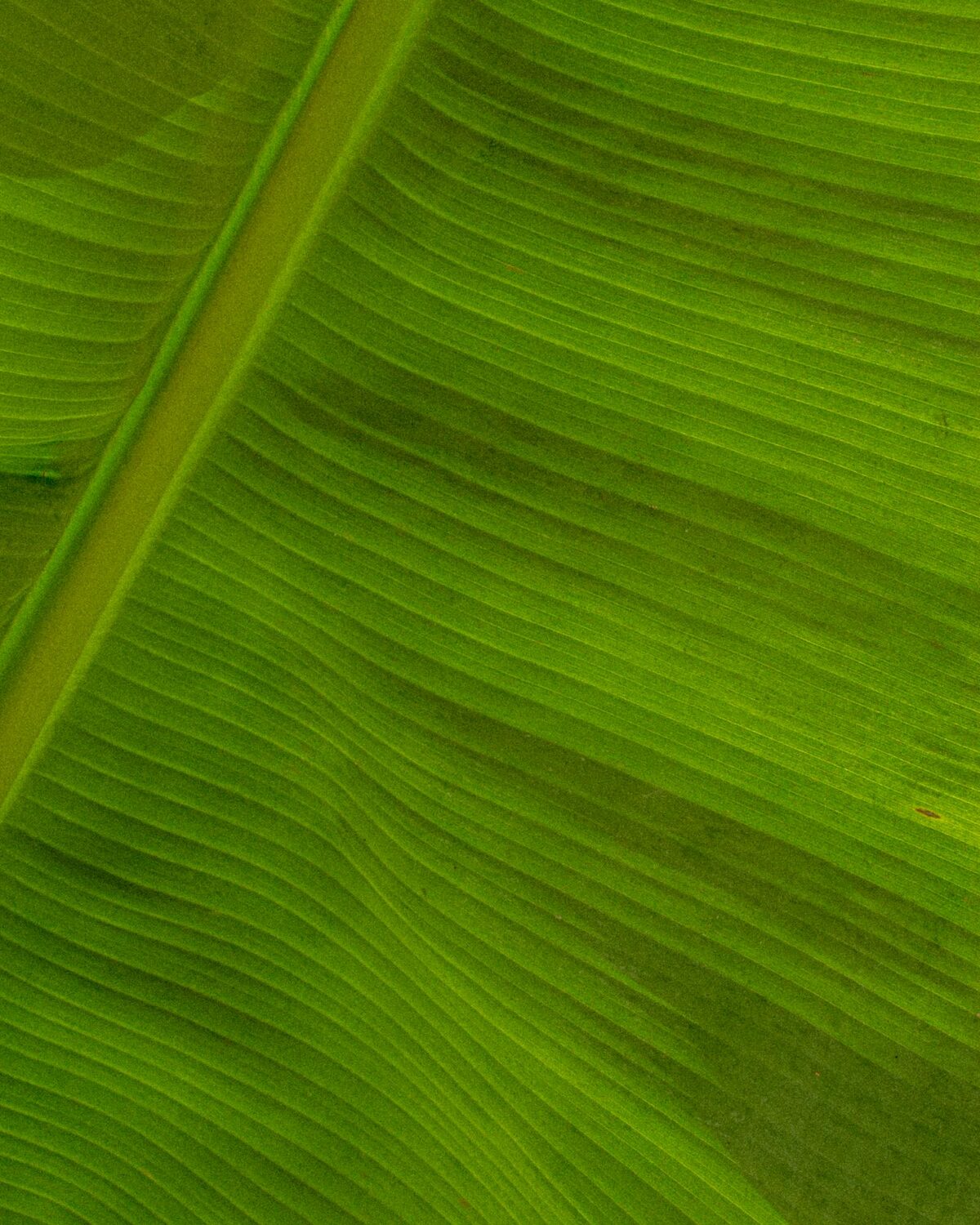
Five steps. Zero plastic.
Our hydraulic heat-press process turns mature banana leaves into rigid, heat-sealed cups capable of holding hot beverages at 95°C — without a single drop of polyethylene lining.
Harvesting & Sorting
Large, mature banana leaves — and sometimes the pseudo-stem sheaths — are harvested directly from partner plantations. Workers manually sort the harvest, removing damaged or torn leaves so only the strongest fibres make it to production.
High-Temperature Cleaning
The leaves undergo a rigorous washing process to remove dirt, natural waxes and any agricultural residues. High-pressure water jets penetrate the fibre surface, leaving the leaves spotlessly clean — without a single chemical detergent.
Softening & Conditioning
To prevent cracking during moulding, the leaves are exposed to intense steam. This softens the organic fibres and makes them pliable — flexible enough to bend into a cup shape without losing their structural integrity.
Hydraulic Heat-Pressing
The softened leaves are fed into our specialised cup-making machines. Heavy hydraulic dies press them under extreme heat and pressure. In a single stroke the heat evaporates residual moisture, sterilises the surface, and fuses leaf fibres into a rigid, heat-sealed cup.
Trimming & Sterilisation
Precision blades trim away the excess leaf material around the brim, creating a smooth, lip-friendly edge. Finished cups then pass through an ultraviolet (UV) steriliser ensuring every cup is completely hygienic before it reaches the packaging line.
One leaf. One cup. Zero compromise.
No kraft pulping. No bleaching. No polyethylene lining. Every EcoRyn cup is structural banana fibre — fused by heat, sealed by pressure, and returned to soil within weeks.
The hand-folded leaf cup
Long before machines, banana-leaf cups were folded by hand — used to serve prasadam in temples and street food across South and Southeast Asia. You can still make one at home with two ingredients: a fresh leaf and a toothpick.
1 · Prep the leaf
Cut a 9 × 10-inch rectangle from a fresh, un-torn banana leaf. Wash it thoroughly under running water and wipe it dry with a clean cloth.
2 · Orient the leaf
Lay the rectangle flat with the shiny side facing up. That waxy surface is the leaf's natural water-and-oil-repellent coating — exactly what you want on the inside of your cup.
3 · Pinch & fold
Pinch one corner and fold it inward toward the centre of the leaf's short edge, bringing the sides up to form a wall.
4 · Secure the corner
Push a small piece of a bamboo skewer or a toothpick through the folded layers to pin it tightly in place. The pin holds the wall upright.
5 · Repeat for all corners
Do the same fold-and-pin on each of the four corners. The tension from the folds will naturally pull the centre down, creating a sturdy, boxy cup.
Done — it won't leak
The waxy upper surface and the four-corner tension hold liquids beautifully. Perfect for prasadam, chai, sambar rice, or a stylish dinner party plate.
Commercial vs. traditional
Commercial heat-press
- Rigid, dishwasher-stable, leak-proof at 95°C
- Long shelf life — months in dry storage
- UV-sterilised, food-safety certified
- Standard cup pricing, scalable for cafés & events
- Backyard-compostable in 4–6 weeks
Traditional hand-folded
- Made fresh, used the same day
- Zero machinery, zero energy
- Beautiful for ceremonial & cultural occasions
- Composts within days of use
- A living link to South Asian food heritage